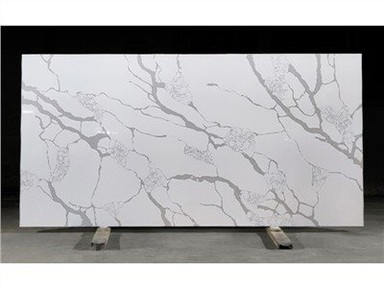


Geopolitical Tensions Have Led To A Double Cost Shock For Domestic Quartz Stone Exports.
Jun 23, 2026
1. The tensions between the United States and Iran have impacted the quartz stone export trade.
The Strait of Hormuz is the core shipping route for quartz stone exports to the Middle East and Europe. After the escalation of the US-Iran standoff, local infrastructure and decoration projects in the Middle East have come to a standstill, and overseas buyers are generally observing. Export orders have significantly declined, and finished product inventories have accumulated. The risk on the Persian Gulf route has soared, shipping companies have significantly increased war insurance, and cargo ships have been forced to take a detour around the Cape of Good Hope. The shipping schedule has been significantly extended, and logistics risks have increased. Enterprises are facing double pressure of rising freight costs and customers' price cuts, and export profits have continued to shrink.
2. Reasons for the sharp increase in shipping costs and industry impact
The conflict has pushed up international oil prices, causing a significant increase in the cost of ship fuel. Coupled with the increase in the mileage of detours on shipping routes, the basic cost of shipping has soared. At the same time, due to the avoidance of risky voyages, ports have become congested and shipping space has been in short supply. Shipping companies have added war surcharges, fuel surcharges, and congestion fees. Quartz stone is a heavy and large-panel product, and the increase in single-container logistics costs has far exceeded that of ordinary goods.
As a result, the proportion of quartz stone export logistics has exceeded 20% from 8% to 12%. Small enterprises find it difficult to absorb costs, and after raising prices, they lose their price advantage and suffer severe order losses. The significant delay in shipping schedules has led to the extension of the construction period for overseas customers, and some customers have turned to competing factories in Turkey and India. The industry's foreign trade channels continue to face pressure.
3. Causes of raw material price increases and continuous rising production costs
The core raw materials of quartz stone are resin, quartz sand, curing agent, and color powder. The US-Iran conflict has driven up the price of crude oil, directly pushing up the prices of petroleum-based chemical auxiliary materials, and increasing the basic cost of the plates. At the same time, the photovoltaic industry consumes a large amount of high-purity quartz sand, coupled with domestic environmental protection restrictions and the blockage of overseas mineral material transportation, the supply of quartz sand has been tight, and the price has continued to rise. The cost of high-end patterned plates has increased even more.
The increase in raw material prices has accelerated the polarization of the industry: small factories reduce the content of quartz and add calcium powder to reduce costs, resulting in a decline in plate quality and frequent after-sales issues; regular brands adhere to high-purity ratios and are forced to raise prices. The terminal price increase has also diverted domestic home decoration and industrial construction demand, and some customers have turned to alternative materials such as rock panels and ceramic tiles.
4. Industry response direction
Industry enterprises need to diversify their overseas markets, reduce reliance on the Middle East market; lock in long-term raw material purchases and prepare in advance to hedge against raw material fluctuations; optimize product structure and increase the proportion of high-value-added high-end plates to hedge against cost pressure; flexibly share logistics costs, and at the same time, deepen the domestic engineering market to stabilize overall production and orders.