

Quartz vs. Marble Countertops: What's the difference?
Sep 25, 2024
When it comes to choosing a countertop for a kitchen or bathroom renovation, quartz and marble are among the most popular materials. But what is the difference between marble and quartz countertops? We, KJL Quartz company, as a professional manufacturer of quartz slabs, will make it clear for everyone here.
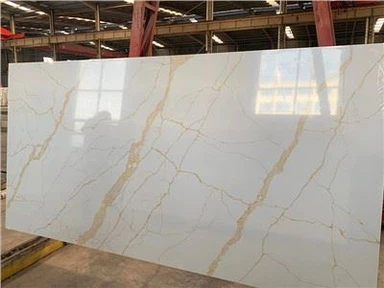
Marble is a type of natural stone, It can be found all over the world and has a long history of use in both art and construction. Marble naturally comes in a variety of colors, including white, gray, and pink. What sets marble apart is its distinct veining, which comes in an array of colors and patterns.
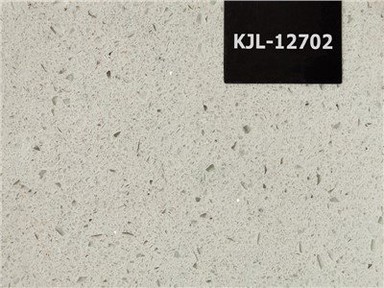
Quartz countertops are a type of engineered stone made by combining crushed-up quartz stone particles with a binding agent like polymer resin, at a ratio of anywhere from 90 to 93 percent quartz to 7 to 10 percent resin and pigment. Due to its construction, each quartz slab is more uniform, but some higher-end options are crafted with veining to mimic the look of marble. Unlike marble, quartz is mass-produced, so it lacks the one-of-a-kind look of its natural counterpart.
If you are looking for elegance and stately beauty, marble with its natural color and veining is hard to beat. But marble is not as durable as quartz in everyday use. It is porous, more so than other natural stone countertops, and acidic substances will leave a stain if not cleaned up quickly. Also, marble needs to be professionally sealed after installation and resealed periodically afterward.
Quartz, on the other hand, is non-porous and stain resistant. It can be cleaned with warm water and soap and never needs sealing.
Marble countertop slabs are more expensive than quartz, depending on the quality chosen. However, the labor cost for quartz is higher due to the complicated installation. Therefore, the cost difference is not dramatic.